The 3-Season Rule for Nebraska Weather
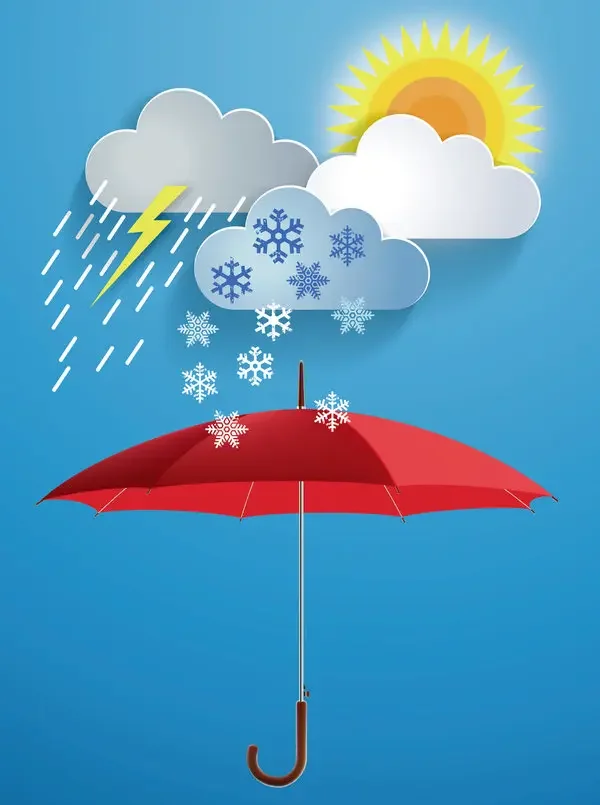
You know exactly what I'm talking about.
Monday: 75 degrees, windows open, you're thinking about firing up the grill.
Tuesday: Tornado watch.
Wednesday: 35 degrees and sleeting.
Thursday: Back to 65 and sunny like nothing happened.
Welcome to Nebraska, where Mother Nature has commitment issues and your landscape has to deal with it.
Here's how we design for weather that can't make up its damn mind.
The 3-Season Rule Explained
Instead of designing for perfect conditions (because they don't exist here), we design for survival through three distinct challenges:
Spring Chaos: Late freezes, flooding rains, and plants that don't know if they should wake up or go back to sleep.
Summer Extremes: Brutal heat, drought conditions, then sudden downpours that would make Noah nervous.
Fall Surprises: Early freezes, late heat waves, and the kind of wind that makes you question your plant choices.
Winter? We just hunker down and wait it out.
How This Changes Everything
1. Plant Selection Gets Real
Forget about that Pinterest board full of delicate beauties. We choose plants that can handle:
Temperature swings of 40+ degrees in 24 hours
Drought followed immediately by floods
Wind that could relocate small trees
Late spring freezes that kill tender growth
Translation: Native and adapted plants become your best friends. Trendy tropicals become expensive compost.
2. Timing Becomes Strategic
Spring planting: Wait until after Mother's Day (seriously—I don't care what the calendar says)
Fall planting: Start in late August when things calm down
Summer projects: Early morning or late evening only, and always have a backup plan
3. Infrastructure Matters More Than Pretty
Before we even think about flowers, we focus on:
Drainage that can handle 3 inches of rain in an hour
Windbreaks that protect your investment
Soil amendments that help plants weather stress
Irrigation that works when rain doesn't come for weeks
The Plant Combinations That Actually Work
The Backbone: Start with plants that think Nebraska weather is adorable, not challenging.
Coneflowers (they're basically indestructible)
Ornamental grasses (they bend, don't break)
Native shrubs (they evolved here for a reason)
The Flex Players: Add plants that can handle some stress but give you seasonal interest.
Daylilies (tough but pretty)
Salvia (blooms through anything)
Sedum (drought? What drought?)
The Seasonal Stars: Use annuals and containers for the color that makes you happy, knowing you might lose them to a surprise freeze.
What This Looks Like in Real Life
Instead of: A garden that looks perfect in May and dead by August
You get: A landscape that changes and adapts but always looks intentional
Instead of: Replacing half your plants every year
You get: Established plantings that get better with age
Instead of: Stressing about every weather alert
You get: Confidence that your yard can handle whatever's coming
The Reality Check
Look, we can't control Nebraska weather. But we can stop pretending it's going to be cooperative.
When you design with the 3-Season Rule, you're not just planning for the good days. You're planning for the day it goes from 70 to 30 overnight, or when we get 4 inches of rain followed by three weeks of drought.
Your landscape doesn't have to be perfect.
It just has to be resilient.
And honestly? Resilient landscapes are more beautiful anyway. They have character. They tell a story. They work with the land instead of fighting it.
The Bottom Line
Nebraska weather is going to do what it wants.
Your job is to design a landscape that can roll with it.
Choose tough plants. Plan for drainage. Build in flexibility. And remember—a yard that survives our weather extremes is a yard that will thrive when conditions are good.
💛 Want a landscape that works with Nebraska, not against it?
📲 Let's design something that lasts through anything → [link]
📍 Serving families in Elkhorn, Bennington, Gretna, West Omaha + surrounding areas
Because your yard should work for your life—even when the weather doesn't cooperate.