DIY Soil Test in 10 Minutes
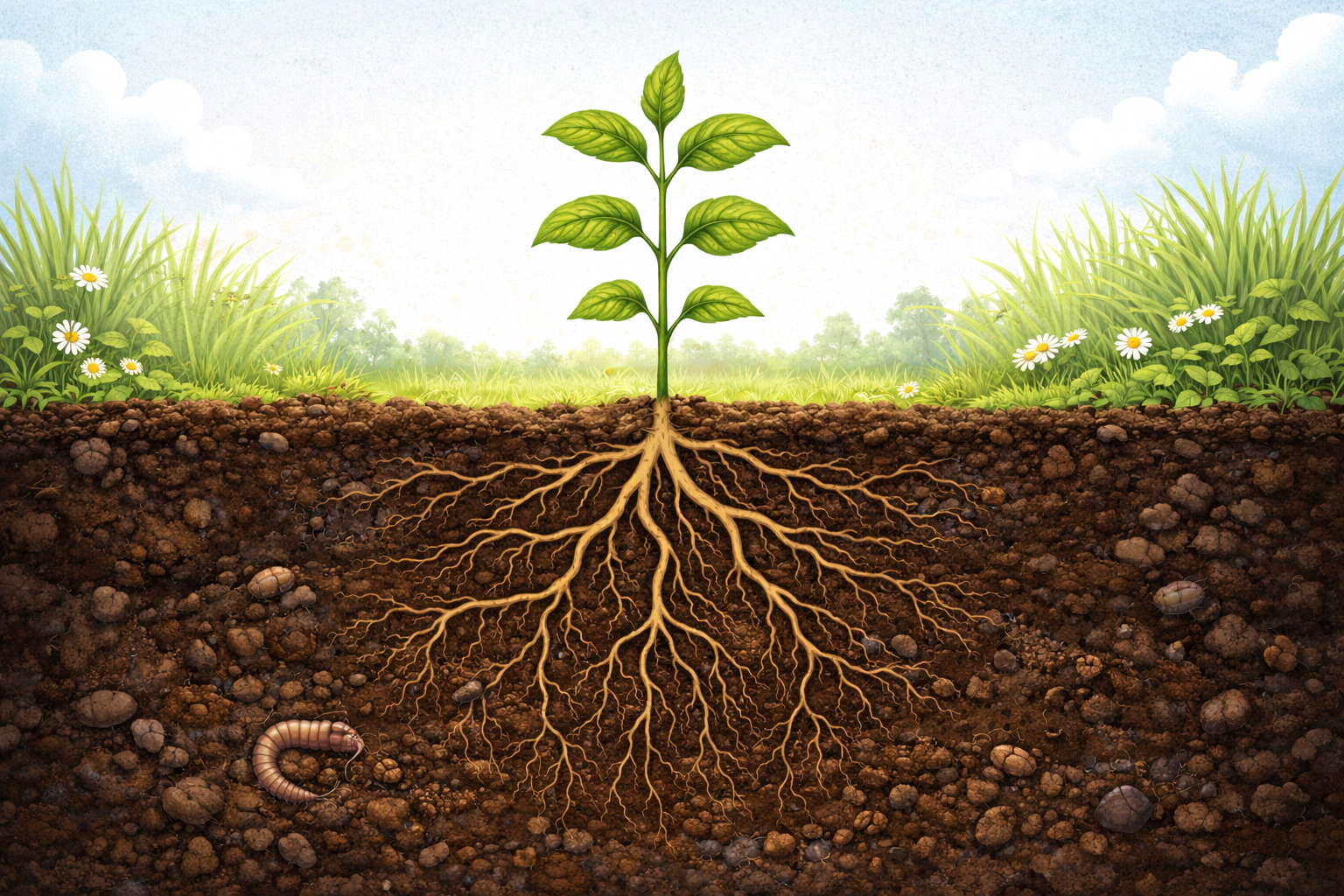
You don't need a PhD in soil science to figure out what you're working with in your yard.
You don't need to send samples to a lab and wait weeks for results.
You don't need expensive testing kits or complicated procedures.
You just need a mason jar, some water, and 10 minutes of actual work (plus 24 hours of waiting, but that doesn't count because you're not doing anything).
This simple test will tell you more about your soil than most people ever bother to learn. And it'll explain why your plants are struggling—or thriving.
What You're Actually Testing For
Soil composition: Is it clay, sand, silt, or some combination?
Drainage potential: Will water sit on top or drain through?
Organic matter content: How much good stuff is actually in there?
Compaction level: How hard-packed is your soil?
All of this determines what plants will work, what amendments you need, and why your current landscaping might be having issues.
The Mason Jar Method (Seriously, It's This Simple)
What You Need:
1 quart mason jar with lid
Soil sample from your yard
Water
1 teaspoon of dish soap (breaks up clay particles)
Measuring tape or ruler
Phone to take photos
Step 1: Collect Your Soil Sample
Dig down 4-6 inches in the area you're testing. You want actual soil, not just surface stuff.
Remove rocks, sticks, and obvious organic matter (leaves, roots, etc.).
Fill your jar about 1/3 full with soil.
Pro tip: Test multiple areas if your yard varies. Different spots might have completely different soil types.
Step 2: Add Water and Soap
Fill the jar about 2/3 full with water.
Add 1 teaspoon of liquid dish soap.
Why the soap: Clay particles stick together like crazy. Soap helps separate them so you get an accurate reading.
Step 3: Shake Like Your Life Depends On It
Put the lid on tight and shake vigorously for 2-3 minutes.
I'm talking aggressive shaking. You want to break up every clump and get everything suspended in the water.
Your arm should be tired when you're done.
Step 4: Set It Down and Wait
Place the jar on a level surface where it won't be disturbed.
Important: Don't move it, don't touch it, don't even look at it funny for the next 24 hours.
Step 5: Read Your Results
After 24 hours, you'll see distinct layers:
Bottom layer (settles first): Sand and large particles
Middle layer: Silt
Top layer: Clay (finest particles)
Floating on top: Organic matter
Take a photo with a ruler next to the jar so you can measure the layers.
How to Interpret Your Results
Measuring the Layers
Total height of settled soil = 100%
Measure each layer and calculate percentages:
Sand layer ÷ total height = % sand
Silt layer ÷ total height = % silt
Clay layer ÷ total height = % clay
What the Numbers Mean
40%+ Sand: Sandy soil - drains fast, needs frequent watering, nutrients wash away quickly
40%+ Clay: Clay soil - drains slowly, stays wet, can be hard to work with
40%+ Silt: Silty soil - holds moisture well, can compact easily
Balanced mix (roughly equal parts): Loamy soil - the gold standard, best of all worlds
The Organic Matter Test
Lots of stuff floating on top: Good organic content, soil biology is active
Clear water with little floating matter: Low organic content, needs compost/amendments
Murky water that won't clear: Very high clay content, drainage will be an issue
What This Tells You About Your Landscape Problems
If Your Test Shows High Clay Content:
Why plants might be struggling: Poor drainage, root rot, compaction issues
What you need: Drainage improvements, raised beds, clay-busting amendments
Best plants: Those that tolerate wet feet and clay conditions
If Your Test Shows High Sand Content:
Why plants might be struggling: Water and nutrients drain away too quickly
What you need: Organic matter to help retain moisture and nutrients
Best plants: Drought-tolerant varieties that don't need constant moisture
If Your Test Shows Low Organic Matter:
Why plants might be struggling: Poor soil biology, nutrient deficiencies, compaction
What you need: Compost, mulch, organic amendments
Best plants: Tough varieties that don't need rich soil
The Advanced Version (If You're Feeling Fancy)
pH Test Addition
Add a cheap pH test kit from the garden center. Most plants prefer slightly acidic to neutral soil (6.0-7.0 pH).
Drainage Test
Dig a hole 12 inches deep and 6 inches wide. Fill with water and see how long it takes to drain.
Under 4 hours: Fast drainage (sandy)
4-12 hours: Good drainage (loamy)
Over 12 hours: Poor drainage (clay)
Compaction Test
Try to push a long screwdriver into moist soil.
Goes in easily: Not compacted
Requires force: Moderate compaction
Won't go in: Severe compaction
What to Do With Your Results
High Clay Soil Strategy:
Add coarse compost and perlite
Consider raised beds
Choose clay-tolerant plants
Improve drainage first, then plant
High Sand Soil Strategy:
Add lots of organic matter
Mulch heavily
Choose drought-tolerant plants
Water more frequently but less deeply
Balanced Soil Strategy:
Lucky you! Just add annual compost and enjoy
Most plants will thrive here
Focus on matching plants to sun/shade conditions
The Reality Check
This test isn't perfect. Professional soil tests give you more detailed information about nutrients and pH.
But it's incredibly useful for understanding the basic structure and drainage characteristics of your soil.
And it's free (except for the mason jar, but you probably have one).
Most importantly, it takes the guesswork out of soil problems. Instead of wondering why plants keep dying, you'll know whether it's drainage, nutrients, or just the wrong plant choice.
The Bottom Line
Stop guessing about your soil.
Stop blaming yourself when plants don't thrive.
Stop buying expensive amendments before you know what you actually need.
Spend 10 minutes doing this test, and you'll understand your yard better than 90% of homeowners understand theirs.
Knowledge is power. And power means plants that actually grow instead of just survive.
💛 Ready to work with your soil instead of fighting against it?
📲 Let's create a landscape plan based on what you actually have → [link]
📍 Serving homeowners in Elkhorn, Bennington, Gretna, West Omaha + surrounding areas
Because understanding your soil is the first step to a landscape that actually works.