The 3-Zone Backyard Layout
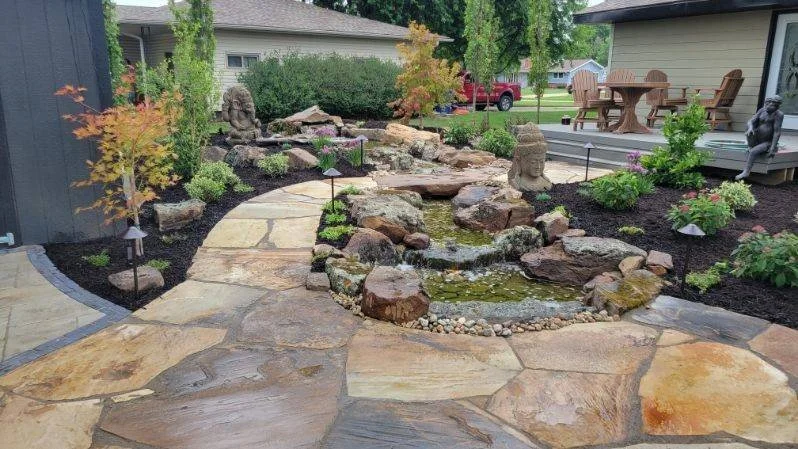
Picture this:
Your kids are playing in the backyard. Laughing, running, being kids. You're sitting on the patio with your coffee, watching them enjoy the space you created.
And you're not stressed about what they might destroy because everything has its place, and every place has the right things in it.
No "Stay out of the flower bed!"
No "Don't kick the ball there!"
No constant anxiety about your landscape getting trampled.
This is what happens when you design a backyard with zones instead of just throwing pretty plants everywhere and hoping for the best.
The 3-Zone System That Actually Works
Zone 1: The Free-for-All (Active Play Area)
What it is: Open lawn space where anything goes. Soccer, football, tag, sprinklers, slip-n-slides, you name it.
What goes here:
Durable grass varieties (tall fescue blends that can take a beating)
Flexible border plants (ornamental grasses, coneflowers, anything that bends instead of breaks)
NO delicate plantings (seriously, resist the urge)
Size rule: Bigger than you think you need. Kids need room to run without constantly being told "be careful."
Nancy's reality check: This zone gets destroyed and recovers constantly. That's the point. Design for it, don't fight it.
Zone 2: The Buffer Zone (Structured Play/Transition)
What it is: The area between chaos and calm. Patios, fire pits, seating areas, structured activities.
What goes here:
Hardscaping (patios, walkways, fire pit areas)
Container plantings (moveable if needed, replaceable if destroyed)
Tough perennials in protected spots (behind seating, against structures)
Low-maintenance shrubs (spirea, potentilla, ninebark)
Size rule: Wide enough to create separation between the play area and your "nice" landscaping.
Nancy's reality check: This zone sees foot traffic but not full contact sports. Plan accordingly.
Zone 3: The Sanctuary (Pretty/Protected)
What it is: The beautiful stuff. Where you can get fancy with plant combinations, delicate flowers, and design details.
What goes here:
Your favorite perennials (the ones you actually want to keep alive)
Specimen plants (that expensive shrub you fell in love with)
Detailed garden areas (herb gardens, cutting gardens, butterfly gardens)
Delicate design elements (decorative containers, garden art, etc.)
Size rule: As big or small as you want, as long as it's clearly separated from the chaos.
Nancy's reality check: This zone is OFF LIMITS to soccer balls and should be designed with that protection in mind.
How to Create Clear Boundaries (Without Building Walls)
Physical Separation
Raised beds (even 8 inches makes a difference)
Low hedges or ornamental fencing (creates a visual and physical barrier)
Stepping stone paths (directs traffic where you want it)
Level changes (retaining walls, terraced areas)
Visual Separation
Different materials (mulch vs. gravel vs. grass)
Plant height changes (tall grasses as natural "fences")
Color differences (distinct plant palettes for each zone)
Strategic Placement
Put Zone 3 near the house (easier to protect and maintain)
Use structures as barriers (deck railings, shed walls, etc.)
Create "rooms" with plantings (large shrubs as natural dividers)
Real-Life Example: The Johnson Family Backyard
Zone 1 (Back 60% of yard): Open lawn with soccer goals, surrounded by Karl Foerster grass and coneflowers that can handle errant kicks.
Zone 2 (Middle 25%): Patio with fire pit, container gardens with seasonal color, tough shrubs along the fence.
Zone 3 (Front 15% near house): Raised herb garden, cutting flower bed, the "fancy" plantings the mom wanted for morning coffee views.
Result: Kids play freely, parents relax, everyone's happy.
What This Solves
For Kids:
Clear understanding of where they can go all-out
No constant "be careful" messages
Freedom to actually USE their backyard
For Parents:
Less stress about plant damage
Lower maintenance (right plants in right places)
A yard that looks intentional, not chaotic
For Plants:
Better survival rates (they're where they belong)
Healthier growth (less trauma and stress)
Longer lifespan (not constantly being rebuilt)
The Zoning Mistakes to Avoid
Mistake #1: Making Zone 1 too small. Kids need space. Give it to them or they'll take it anyway.
Mistake #2: Putting expensive plants in Zone 2. It's a transition space—things will get bumped.
Mistake #3: No clear boundaries. If zones blend together, kids (and adults) won't respect them.
Mistake #4: Making Zone 3 too big. You don't need half your yard to be precious. A small, well-designed area has more impact.
The Bottom Line
Your backyard should work for your family's real life, not some fantasy version where kids don't run and dogs don't dig.
The 3-Zone system lets you have it all:
Space for kids to be kids
Beautiful landscaping that actually survives
A yard that feels organized, not chaotic
When you design with zones, everyone wins. Kids get freedom, parents get beauty, and plants get to live their best life in the right spots.
Stop fighting your family's lifestyle. Design for it instead.
💛 Ready for a backyard that works for everyone?
📲 Let's zone your space for maximum family happiness → [link]
📍 Serving families in Elkhorn, Bennington, Gretna, West Omaha + surrounding areas
Because the best family landscapes are the ones everyone can actually use.