Don't Skip This Step
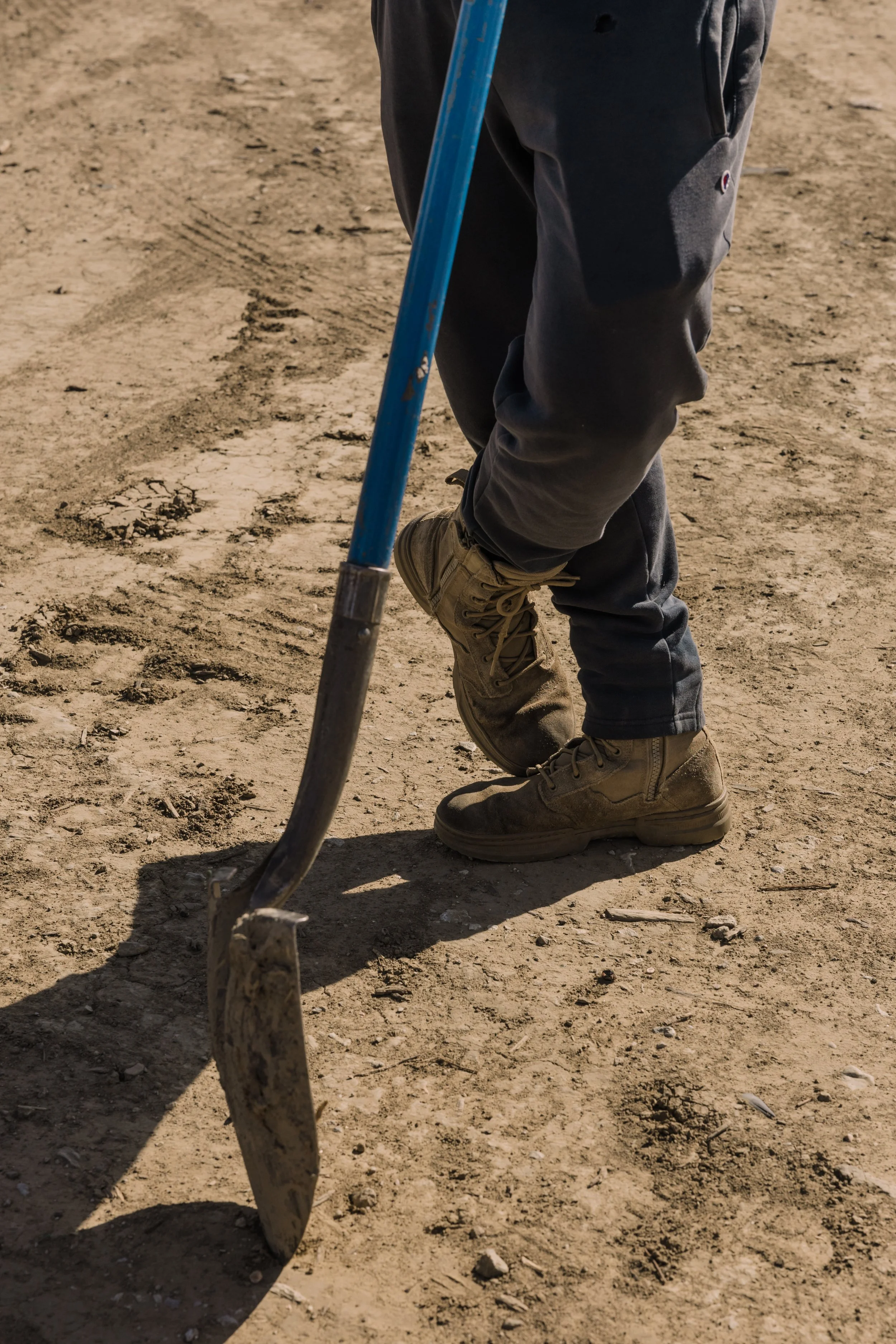
Let's talk about the unsexy side of landscaping.
The part that nobody gets excited about. The part that doesn't show up in your Instagram photos. The part that most people try to skip because it's not fun or pretty.
Drainage.
I know, I know. You wanted to talk about flowers and fire pits, not water flow and soil grading. But here's the brutal truth:
All the beautiful landscaping in the world won't save you if your drainage is wrong.
And once you have drainage problems, everything else becomes exponentially more expensive and difficult to fix.
Why Drainage is Your Landscape Foundation
Good drainage is invisible. When it's working, you never think about it.
Bad drainage is catastrophic. When it's not working, it destroys everything.
Think of drainage like the foundation of your house. You can have the most beautiful walls, floors, and fixtures in the world, but if the foundation is wrong, the whole house becomes a problem.
Same with your landscape.
The Signs Your Drainage is Already Failing
The Obvious Red Flags:
Standing water after rain (anywhere that doesn't dry up within 24-48 hours)
Soggy, squishy spots in your yard (especially near your foundation)
Plants that keep dying for no apparent reason (especially in certain areas)
Basement moisture or flooding (even minor seepage)
Erosion channels or washouts (where water has carved paths through your yard)
The Subtle Warning Signs:
Moss growing in your lawn (indicates poor drainage and compacted soil)
Mushrooms popping up frequently (sign of constantly moist soil)
Different grass growth patterns (some areas lush, others struggling)
Mulch that constantly washes away (water is flowing where it shouldn't)
Plants that look great in spring but struggle in summer (roots can't develop properly in poorly drained soil)
The Drainage Problems That Kill Landscapes
Problem #1: Water Pooling Near Foundations
What happens: Water sits against your house instead of flowing away
Why it's catastrophic:
Foundation damage (settling, cracking, shifting)
Basement flooding or moisture issues
Landscape plants drown from too much water
Creates mosquito breeding grounds
Common causes:
Improper grading during construction
Soil settling over time
Gutters without proper drainage
Hardscaping that directs water toward house
Problem #2: Surface Water with Nowhere to Go
What happens: Rain water pools in low spots or flows where you don't want it
Why it's problematic:
Creates swampy conditions that kill plants
Makes areas of your yard unusable
Can overflow into neighbors' yards (liability issues)
Breeds mosquitoes and other pests
Common causes:
Natural low spots in yard topography
Compacted soil that won't absorb water
Hardscaping that changes natural water flow
Poor initial grading when house was built
Problem #3: Erosion and Washouts
What happens: Moving water carves channels and washes away soil
Why it's expensive:
Constantly replacing washed-away mulch and plants
Deepening erosion channels that become harder to fix
Sediment washing into storm drains (potential city fines)
Loss of valuable topsoil
Common causes:
Steep slopes without proper stabilization
Concentrated water flow from roofs or driveways
Lack of vegetation to hold soil in place
Poor soil structure that doesn't absorb water
The Drainage Solutions That Actually Work
Surface Grading: The Foundation Fix
What it is: Reshaping your yard so water flows away from problems
When you need it:
Water pools near your foundation
Flat or reverse-sloped areas
Any time water doesn't naturally flow to appropriate drainage
How it works:
Create gentle slopes (2-5% grade) away from structures
Direct water toward appropriate drainage areas
Use fill dirt to raise problem areas
Reshape existing contours to improve flow
Nancy's reality check: This is often the most important and cost-effective drainage improvement you can make.
French Drains: The Underground Solution
What it is: Perforated pipe buried in gravel that collects and redirects groundwater
When you need it:
Consistently wet or boggy areas
Water seeping into basements
Areas where surface grading isn't enough
How it works:
Dig trenches in problem areas
Install perforated pipe surrounded by gravel
Cover with fabric and soil
Direct collected water to appropriate drainage area
Nancy's reality check: Done right, these are incredibly effective. Done wrong, they can make problems worse.
Rain Gardens: The Natural Approach
What it is: Shallow depressions planted with water-tolerant plants
When you need it:
Managing runoff from roofs or driveways
Areas with occasional standing water
Want to handle drainage problems naturally
How it works:
Create shallow basin (6-8 inches deep)
Fill with amended soil that drains well
Plant with native plants that tolerate wet/dry cycles
Water soaks in instead of running off
Nancy's reality check: Beautiful and functional, but they need to be sized and located correctly to work.
Dry Wells and Catch Basins: The Collection Strategy
What it is: Underground chambers that collect and slowly release water
When you need it:
Large volumes of water from roofs or pavement
Areas where you can't direct water elsewhere
Sandy or well-draining soils
How it works:
Dig large holes and fill with gravel
Install collection chambers or pipes
Water collects and slowly percolates into surrounding soil
Nancy's reality check: Great for the right conditions, but clay soil makes these less effective.
The DIY vs. Professional Decision
You Can Probably Handle:
Simple surface grading: Small areas, minor slope adjustments
Basic rain gardens: If you understand drainage principles
Improving existing drainage: Adding extensions to downspouts, improving surface flow
Call Professionals For:
Major grading projects: Moving significant amounts of soil, changing overall yard drainage
French drain installation: Easy to mess up, expensive to fix when done wrong
Anything near your foundation: Too important to risk doing incorrectly
Complex drainage systems: Multiple problem areas, whole-yard solutions
The Cost of Ignoring Drainage Problems
Short-term costs:
Replacing dead plants: $500-2,000 annually for repeated plant loss
Basement moisture remediation: $1,000-5,000 for minor issues
Pest control: Standing water breeds mosquitoes and other problems
Constant maintenance: Repairing erosion, replacing mulch, fighting fungal diseases
Long-term costs:
Foundation repair: $10,000-50,000 for serious foundation issues
Major drainage systems: $5,000-25,000 when problems become severe
Property value loss: Poor drainage affects resale value and marketability
Neighbor relations: Your drainage problems become their drainage problems
When to Fix Drainage Issues
Immediately:
Water pooling near your foundation (this can cause structural damage)
Basement moisture or flooding (gets worse over time, not better)
Severe erosion (channels will deepen and become harder to fix)
Next Growing Season:
Areas where plants consistently fail (poor drainage is often the culprit)
Soggy spots that prevent yard use (affects your enjoyment of outdoor space)
Minor grading issues (before they become major problems)
When You're Doing Other Landscaping:
Installing new plantings (fix drainage first, then plant)
Adding hardscaping (opportunity to improve drainage at the same time)
Major yard renovations (most cost-effective time to address drainage)
The Bottom Line
Drainage isn't sexy, but it's the difference between a landscape that thrives and one that constantly struggles.
Every dollar you spend on proper drainage saves you five dollars in future problems.
Every drainage problem you ignore gets more expensive to fix over time.
Every beautiful landscape design is worthless if the drainage foundation is wrong.
You can have the most gorgeous plants, the most expensive hardscaping, and the most thoughtful design in the world. But if water doesn't flow correctly, you'll be fighting problems forever.
Fix the drainage first. Everything else builds on that foundation.
Your plants will thank you.
Your basement will thank you.
Your wallet will thank you.
Your future self will thank you.
Don't skip this step. Your yard literally depends on it.
💛 Dealing with drainage issues that keep killing your landscaping dreams?
📲 Let's fix the foundation so your landscape can actually thrive → [link]
📍 Serving homeowners with water woes in Elkhorn, Bennington, Gretna, West Omaha + surrounding areas
Because great landscapes start with water flowing in the right direction.