Fire Pit 101
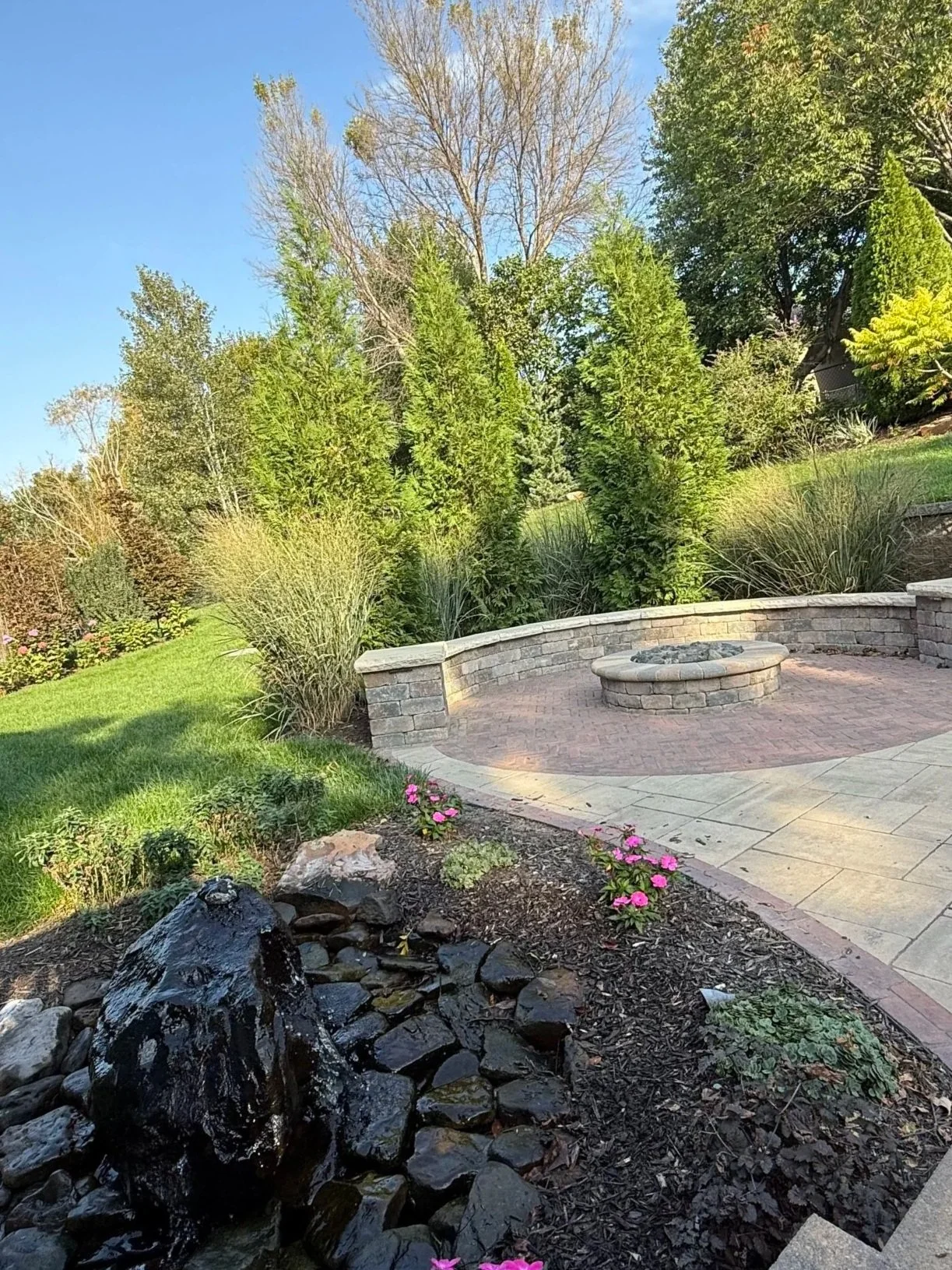
Fire pits are having a moment.
And I get it. There's something magical about gathering around a fire on a cool evening, roasting marshmallows with the kids, or just sitting with a glass of wine watching flames dance.
But here's what nobody talks about when they're shopping for that perfect fire pit or planning their backyard fireplace:
Fire pits can burn down your house, your neighbor's house, or get you sued into oblivion if you don't know what you're doing.
Before you light your first fire, let's talk about doing this safely and legally.
The 10-Foot Rule (And Why It's Not Enough)
The basic rule: Your fire pit should be at least 10 feet away from any structure, including houses, sheds, fences, and overhanging branches.
The reality: 10 feet is the legal minimum in most areas, but it's not always enough for safety.
What I recommend:
15-20 feet from your house (especially if you have vinyl siding or wood construction)
25+ feet from neighbors' houses
10+ feet from fences (even if they're yours)
15+ feet from overhanging tree branches
Consider prevailing wind direction (sparks travel farther than you think)
Why more is better: Insurance companies see a lot of fire pit claims. The majority happen when people follow minimum distances but don't account for wind, sparks, or human error.
The Legal Reality Check
Before You Buy Anything:
Check local ordinances. Many cities have specific rules about:
Fire pit size and type restrictions
Seasonal burn bans
Required permits
Setback requirements beyond state minimums
Hours when fires are allowed
Check HOA rules. Your homeowners association might have additional restrictions.
Call your insurance company. Some policies have specific requirements or exclusions for fire features.
The Permit Question:
Permanent installations usually require permits. Built-in fire pits, outdoor fireplaces, and gas-fed fires often need building permits.
Portable fire pits usually don't. But check your local rules—some areas require permits for any open flame.
When in doubt, ask. A $50 permit is cheaper than a $50,000 lawsuit.
Fire Pit Placement: Beyond the Distance Rules
Ground Preparation:
Clear the area: Remove all flammable materials (dead grass, leaves, mulch) in a 20-foot radius around the fire pit.
Create a fireproof base: Use gravel, sand, or concrete pavers. Never place fire pits directly on grass, wooden decks, or other flammable surfaces.
Level matters: Fire pits should be on level ground to prevent tipping and ensure even burning.
Site Selection Strategy:
Think about wind patterns. Where does smoke typically blow? You don't want it going toward your house or your neighbors' houses.
Consider accessibility. You need safe, well-lit paths to and from the fire pit, especially for carrying firewood and water.
Plan for seating. You need at least 6 feet of clearance around the fire pit for chairs and safe movement.
Think about storage. Where will you store firewood, fire tools, and safety equipment?
The Safety Equipment You Actually Need
Must-Haves:
Fire extinguisher: ABC-rated, 10+ pounds, checked annually
Garden hose: Long enough to reach your fire pit from the nearest water source
Sand or dirt: A bucket or two for smothering flames
Long-handled tools: Fire poker, shovel, tongs for managing logs safely
Screen or spark guard: Essential for windy conditions
Nice-to-Haves:
First aid kit: Burns happen, be prepared
Flashlight or headlamp: For evening fire management
Metal ash bucket: For safe ash disposal (never use plastic)
Fire blanket: For emergency situations
What to Burn (And What Will Kill You)
Safe Burning Materials:
Seasoned hardwood: Oak, hickory, maple—dry for at least 6 months
Commercial fire logs: Follow manufacturer instructions
Small kindling: Dry twigs, newspaper, fire starters
Never Burn These (Seriously, Never):
Treated lumber: Releases toxic chemicals Painted or stained wood: Toxic fumes Plywood or particle board: Glues and chemicals Trash or garbage: Toxic and potentially explosive Green or wet wood: Creates excessive smoke and poor burning Christmas trees: Extremely flammable, burns too fast
Fire Management 101
Starting Safely:
Build from the bottom up: Tinder, kindling, then larger logs
Use proper fire starters: Commercial products or newspaper, not gasoline or lighter fluid
Start small: You can always add more wood, but you can't take it back
Maintaining Control:
Never leave a fire unattended: Someone responsible should always be present
Keep fires manageable: Flames shouldn't be higher than the fire pit walls
Have water ready: Always, every time, no exceptions
Monitor wind conditions: Put out fires if wind picks up significantly
Extinguishing Completely:
Allow wood to burn down to ash: Don't just douse flames with water
Pour water slowly: Avoid steam clouds and splashing
Stir ashes: Use a shovel to mix water with ashes
Pour more water: Repeat until everything is cold to the touch
Check for heat: Hold your hand near (not touching) ashes to check for residual heat
The Neighbor Consideration
Before Installation:
Talk to your neighbors. Let them know your plans, especially if your fire pit will be visible from their property.
Consider prevailing winds. Smoke blowing into neighbors' yards or houses is a quick way to create enemies.
Be mindful of timing. Not everyone wants to smell smoke during their outdoor dinner party.
During Use:
Respect burn bans. If your city has restrictions, follow them even if your neighbors aren't.
Keep fires reasonable. Nobody needs a bonfire every night.
Be responsive to complaints. If smoke is bothering neighbors, address it respectfully.
The Insurance and Liability Reality
What Insurance Typically Covers:
Accidental damage from proper use: If you follow safety guidelines and something still goes wrong
Personal injury: If someone gets hurt around your fire pit (with conditions)
What Insurance Often Doesn't Cover:
Damage from improper use: Violations of safety guidelines, local ordinances, or manufacturer instructions
Intentional acts: Using accelerants, burning prohibited materials
Lack of safety equipment: Some policies require specific safety measures
Liability Concerns:
You're responsible for injuries to guests: Make sure your setup is safe
Property damage to neighbors: Your insurance might cover it, but your premiums will go up
Local ordinance violations: Can void insurance coverage entirely
The Bottom Line
Fire pits can be an amazing addition to your outdoor living space.
But they're not something to wing or take shortcuts with.
Do your homework on local rules.
Invest in proper safety equipment.
Choose your location carefully.
Respect your neighbors.
Follow safety protocols every single time.
The goal is making memories around your fire pit, not making insurance claims because of it.
💛 Planning a fire pit installation? Want to make sure you're doing it safely and legally?
📲 Let's design a fire feature that works for your space and follows all the rules → [link]
📍 Serving safety-conscious homeowners in Elkhorn, Bennington, Gretna, West Omaha + surrounding areas
Because the best fire pits are the ones that never cause problems.