7 Plants for the “I Forget to Water” Parent
Let's be honest about something.
You have good intentions about watering. You really do. You imagine yourself as the type of person who has a lovely morning routine that includes checking on plants with a cute watering can.
But then Tuesday turns into Thursday, Thursday becomes "holy crap it's been two weeks," and suddenly you're standing in your yard looking at crispy brown leaves thinking "I've killed another one."
You're not a bad person. You're just busy keeping tiny humans alive, which takes priority over keeping plants alive.
The good news? You don't need to become a different person to have a beautiful yard. You just need the right plants.
Plants That Survive Parental Neglect (And Look Good Doing It)
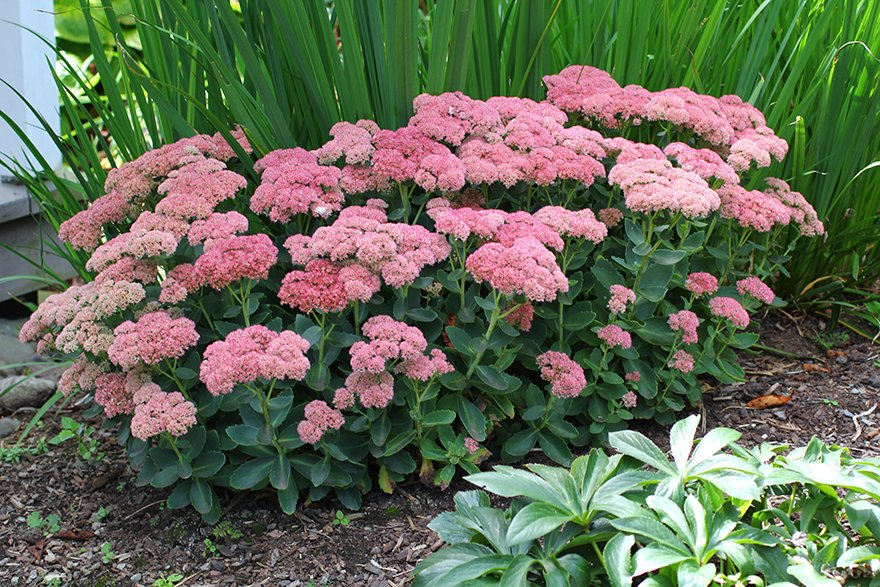
1. Sedum (Autumn Joy)
Why it works: Succulent leaves store water like little plant camels. They can go weeks without water.
What you get: Thick, blue-green foliage that looks intentional even when you ignore it. Pink flowers in late summer that turn rusty red in fall.
Survival story: I have clients who've gone on two-week vacations in July and come back to sedum that looks better than when they left.
Nancy's reality check: You literally have to work to kill sedum. It's like having a plant that parents itself.
2. Russian Sage
Why it works: Prairie plant genetics. It evolved to handle drought, heat, and general abandonment.
What you get: Silvery foliage and purple-blue flowers that bloom from summer through fall. Plus it smells amazing when you brush against it.
Survival story: One client forgot about her Russian sage for an entire summer (new baby, zero brain cells left). It was the best it had ever looked.
Nancy's reality check: This plant thrives on neglect. The more you ignore it, the happier it gets.
3. Ornamental Grasses (Karl Foerster)
Why it works: Grasses are built for survival. Deep roots, efficient water usage, tough as nails.
What you get: Tall, elegant movement in your beds. Feathery plumes in late summer. Winter interest when everything else is dead.
Survival story: I've seen these grasses survive everything from kids using them as home base to dogs using them as... well, you know.
Nancy's reality check: Once established, these are basically maintenance-free. Water them the first year, then forget they exist.
4. Coneflowers (Echinacea)
Why it works: Native to the prairies, which means they're used to fending for themselves.
What you get: Bright, daisy-like flowers from summer through fall. Butterflies and bees love them. They self-seed for more plants.
Survival story: I have coneflowers that have survived three different homeowners, multiple droughts, and a landscaping crew that "forgot" to water them for a month.
Nancy's reality check: These plants want to succeed. Even if you try to kill them, they'll probably forgive you and bloom anyway.
5. Daylilies
Why it works: Tough, clumping perennials with thick, water-storing roots. They can handle serious drought.
What you get: Strap-like foliage that stays green all season. Gorgeous lily-like flowers in every color imaginable.
Survival story: A client moved out of state and left her daylilies unwatered for three months. When the new owners moved in, they were still blooming.
Nancy's reality check: The name is misleading—each flower only lasts a day, but each plant produces dozens of flowers over months.
6. Spirea
Why it works: Woody shrub that stores water in its stems and has deep roots once established.
What you get: Dense, mounding shape with spring flowers (usually white or pink). Some varieties have colorful foliage.
Survival story: One of my spirea shrubs survived being forgotten during a basement flood, two weeks of 100-degree weather, and a toddler who used it as a climbing gym.
Nancy's reality check: These shrubs are like the golden retrievers of the plant world—friendly, forgiving, and nearly impossible to mess up.
7. Black-Eyed Susan (Rudbeckia)
Why it works: Another prairie native that thinks your neglect is cute, not challenging.
What you get: Bright yellow, daisy-like flowers from mid-summer until frost. They spread naturally to fill space.
Survival story: I planted these at a rental property where the tenants promised to water but... didn't. Three years later, they'd taken over an entire bed and looked fantastic.
Nancy's reality check: These plants are like that friend who always looks put-together even when their life is chaos. You don't know how they do it, but you're grateful.
The Neglect-Proof Planting Strategy
Year 1: Water Them (Just This Once)
Even drought-tolerant plants need water to get established. Give them regular water the first growing season, then you're off the hook.
Year 2+: Benign Neglect
Once established, these plants prefer to be left alone. Overwatering can actually hurt them more than underwatering.
The Exception: Extreme Drought
If we go more than 3-4 weeks without rain in summer, even tough plants appreciate a drink. But we're talking about emergency watering, not daily maintenance.
What "Intentional, Not Abandoned" Looks Like
Bad Neglect: Random plants dying in scattered locations, obvious brown spots, plants that look stressed and unhappy.
Good Neglect: Drought-tolerant plants that look lush and healthy because they're in their element, not because you're babying them.
The difference? Choosing plants that are meant to thrive in your level of care (or lack thereof).
The Realistic Care Schedule
Spring: Check that they're still alive (they will be). Maybe pull a few weeds if you're feeling ambitious.
Summer: Ignore them completely unless there's an extreme drought. Go enjoy your kids instead.
Fall: Cut them back if they look messy, or leave them for winter interest. Your choice.
Winter: Do absolutely nothing. These plants don't need you right now.
The Bottom Line
You don't need to become a different person to have a beautiful landscape.
You don't need to set phone reminders to water.
You don't need to feel guilty about your plant care skills.
You just need to choose plants that work with your real life, not your fantasy life.
These seven plants will give you a gorgeous yard that looks like you spend hours caring for it, when really you spend hours caring for everything else that actually needs you.
Your plants will be fine. Your kids need you more.
💛 Ready for a landscape that thrives on benign neglect?
📲 Let's design something beautiful and bulletproof → [link]
📍 Serving busy parents in Elkhorn, Bennington, Gretna, West Omaha + surrounding areas
Because the best plants are the ones you can forget about—and they still look amazing.