The 5-9 AM Rule
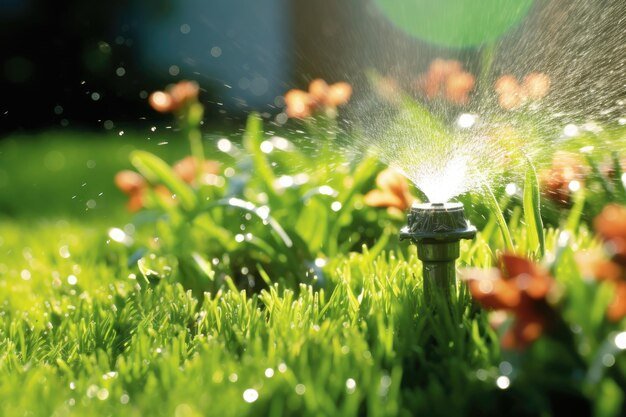
You're doing it wrong.
I don't care how much water you're giving your plants, or how fancy your sprinkler system is, or how religiously you're following some watering schedule you found on Pinterest.
If you're watering at the wrong time, you're basically throwing money into the wind and wondering why your plants look stressed.
Here's the truth: WHEN you water matters way more than HOW MUCH you water.
And most people are watering at the absolute worst possible time.
The 5-9 AM Golden Window
This is it. This is the magic time when watering actually works.
Why these hours are perfect:
Soil is cool from overnight temperatures
No wind to blow water around
Plants have all day to absorb water before the heat hits
Minimal evaporation loss
Leaves have time to dry before evening (prevents disease)
What happens when you water now: Plants get deep, thorough hydration that lasts all day. Roots grow deeper and stronger. Plants develop drought resistance.
The Terrible Times (AKA What Everyone Else is Doing)
Midday Watering (10am-4pm): The Plant Torture Method
Why people do it: "It's hot, the plants look thirsty, I should water them now."
What actually happens:
Water evaporates before plants can absorb it
Wet leaves + blazing sun = burned, scalded foliage
You're essentially steaming your plants alive
Shallow root development (plants learn to expect frequent surface watering)
The result: Stressed plants that need water constantly and never develop deep, drought-resistant roots.
Evening Watering (6pm-dark): The Fungus Factory
Why people do it: "I get home from work, I see my sad plants, time to water."
What actually happens:
Plants sit wet all night in cool, humid conditions
Perfect breeding ground for fungal diseases
Slugs and other pests love the moisture
Plants don't get the benefit of all-day hydration
The result: Plants that develop root rot, leaf spot, and pest problems.
Night Watering (After dark): Just No
Why people do it: "I forgot to water, but I'll do it now so I don't forget again."
What actually happens: Everything bad about evening watering, but worse. Plants sitting in wet soil for 8+ hours in cool conditions.
The result: Dead plants. Just dead plants.
The Science Behind Early Morning Magic
Temperature matters: Cool morning air means less evaporation. More water actually reaches the roots instead of disappearing into the atmosphere.
Plant biology matters: Plants naturally take up water most efficiently in early morning. Their stomata (leaf pores) are open and ready to receive moisture.
Disease prevention matters: Leaves that dry quickly in morning sun don't develop the fungal problems that plague evening-watered plants.
Root development matters: Deep, infrequent watering in cool conditions encourages roots to grow down instead of staying shallow.
How to Actually Do This (Even If You're Not a Morning Person)
Option 1: Automated Irrigation
Set your sprinkler system to run between 5-7am. Done. You never have to think about it again.
Pro tip: Multiple short cycles work better than one long cycle. Three 10-minute cycles spaced 30 minutes apart lets water soak in instead of running off.
Option 2: The Early Bird Hand Watering
Get up 15 minutes earlier. Make coffee. Water plants while coffee brews. Enjoy quiet morning time in your yard.
Pro tip: Invest in a good watering wand or nozzle. Makes the job faster and more pleasant.
Option 3: The Night-Before Setup
Set up soaker hoses or sprinklers the night before. Turn them on when you wake up. Turn them off before you leave for work.
Pro tip: Use a timer attachment so you don't forget and flood your yard.
The Deep Watering Method That Actually Works
Less frequent, more thorough = healthy plants
More frequent, less thorough = stressed, shallow-rooted plants
For New Plantings (First Year):
Water deeply 2-3 times per week in early morning. Soak the soil 6-8 inches deep, then let it dry out slightly between waterings.
For Established Plants (After Year 1):
Water deeply once a week (or less) in early morning. Let plants develop drought tolerance by not babying them.
The Finger Test:
Stick your finger 2-3 inches into the soil. If it's dry, water. If it's still moist, wait.
Nebraska-Specific Reality Checks
Summer heat: Early morning watering is even more critical here because our afternoon sun is brutal.
Wind: Morning air is typically calmer, so less water gets blown away.
Clay soil: Our heavy soil needs time to absorb water. Morning watering gives it all day to soak in.
Thunderstorms: When we get afternoon storms, morning-watered plants are already hydrated and can handle the additional moisture.
What This Changes
Your water bill: Less evaporation = more efficient watering = lower costs.
Your plant health: Proper hydration timing = stronger, more drought-resistant plants.
Your stress level: Plants that are properly watered are happier and need less babying.
Your time: Efficient watering means less frequent watering overall.
The Bottom Line
Stop watering whenever it's convenient.
Stop watering when plants "look thirsty" in the heat of the day.
Stop watering in the evening because that's when you remember.
Start watering between 5-9am.
Start watering deeply and less frequently.
Start letting your plants develop some independence.
Your plants will be healthier.
Your water bill will be lower.
Your yard will require less maintenance.
And you'll finally understand why some people's landscapes always look amazing while others struggle constantly—it's not magic, it's timing.
💛 Ready for a landscape that actually thrives instead of just survives?
📲 Let's design efficient watering systems that work with your schedule → [link]
📍 Serving homeowners in Elkhorn, Bennington, Gretna, West Omaha + surrounding areas
Because great landscapes start with smart watering—and smart watering starts at 5am.